FAQs
Who is part of this organization?
What is the Asia Cloud Computing Association (Asia Cloud)?
Who is part of this organization?
On which areas will the Asia Cloud group focus and why?
Will the organization develop industry standards?
What else can the organization deliver to enable adoption of cloud computing?
What other kinds of companies would benefit from membership in Asia Cloud?
Do you intend to involve end users, the consumers, of cloud computing?
How is membership structured and what is the cost?
Q: Who is part of this organization?
A. Current members include; Alcatel-Lucent, AT&T, Cisco Systems, Citrix, CITIC CPC, CloudGarage, CSA, Dimension Data, EMC Corporation, Equinix, Eire Systems, Genetic Finance, Global Yellow Pages, Hiring Solutions, Hong Kong Cyberport, Huawei, iPerintis, Internet Society, Microsoft, NetApp, Nokia Siemens Networks, PLDT/Smart, Rackspace, Reed Hamilton, Telstra Global, Telenor, TrustSphere, Verizon and Workday
Q. What is the Asia Cloud Computing Association (Asia Cloud)?
A. The group has been formed to foster collaboration and innovation among stakeholders in cloud computing in Asia. While cloud computing in the region will grow 40 percent per year until 2014 (IDC), Asia has some unique inhibitors to adoption. The organization will focus on these to accelerate cloud computing adoption in the region.
Q. Why does the industry need another cloud association when there are a number of other such organizations?
A. While there are other organizations and standards bodies involved in various aspects of cloud computing, there is no group that specifically is involved in the Asian market or that is focused entirely on enabling collaboration and education in that market. Compared to the United States or Europe, Asia's cloud computing environment is fragmented and faces a wide variety of regulatory and compliance issues.
Q. Who is part of this organization?
A. Eleven of the region’s computer, software and services innovators have joined initially: Alcatel-Lucent, Cisco Systems, EMC Corporation, Microsoft, NetApp, Nokia Siemens Networks, PLDT/Smart, Rackspace, REACH, Telenor, and Verizon. We expect others to join quickly as word spreads about our efforts.
Q. On which areas will the Asia Cloud group focus and why?
A. We see several areas that we can impact. Initially, these include the policy and regulatory environments, security and best practices.
Q. Will the organization develop industry standards?
A. Our intent at this time is to work with existing standards bodies to evaluate their output and adapt or support as appropriate in Asia. We do not currently have plans to develop parallel or separate standards.
Q. What else can the organization deliver to enable adoption of cloud computing?
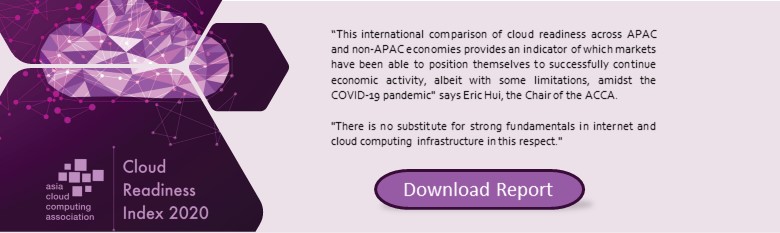
A. We plan to provide, for example, best practices and a taxonomy for cloud computing as well as a cloud-readiness index for end users and suppliers. As a group of the region's most innovative companies, we also plan to use our combined forces to educate providers as well as end users about the appropriate applications of cloud computing and related concerns.
Q. What other kinds of companies would benefit from membership in Asia Cloud?
A. We hope to attract hardware providers, such as those in the networking and computer markets; software developers; services providers; and carriers. We also encourage participation by researchers and academic institutions active in cloud computing issues as well as those involved in regulation and policy.
Q. Do you intend to involve end users, the consumers, of cloud computing?
A. Through our outreach and communications, we plan to help educate end users about cloud computing issues and solutions. Our marketing committee addresses end user communications as part of its efforts.
Q. How is membership structured and what is the cost?
A. There are three levels of membership: full, contributing and associate. Benefits vary by level. Fees are based on company revenue. Complete information, including a membership application, list of members, leadership of the group and more are available here: